Cravebridge
Porch-Sheltered Tents: Where Gear Finds a Quiet Refuge
Problem: Shelters That Betray Their Promises
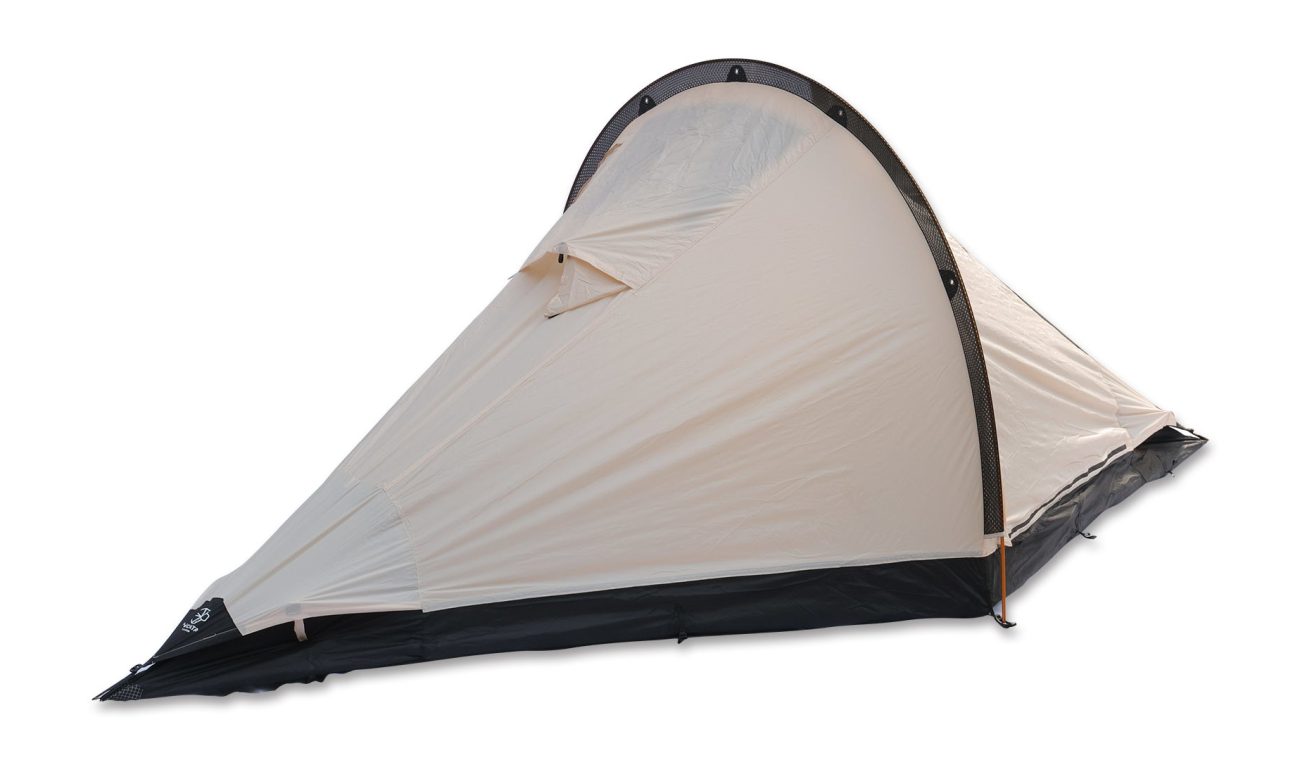
Night arrives cold and loud. Your pack sits by your feet, damp and stiff. You bought a pared-down setup—sometimes a hiking tent ultralight—but lightness often cost you a sheltered space for boots, stove, tools. The problem is simple: tents that save grams too often surrender practical shelter. That failure shows itself in wet gear, clogged zips, and ruined plans. You can't rest when a soaking sleeping bag waits every morning.
Why a Front Porch Solves the Real Problem
A small vestibule changes the equation. It keeps wet boots off your sleeping pad. It lets you cook under cover without filling the inner tent with fumes. A front porch reduces the number of times you unzip and re-expose your refuge. The porch isn't luxury; it's damage control. A well-designed vestibule reduces airflow that drives cold across fabric and gives a place to stash mud and tarps. You get sleep. You get gear that lasts. You get choices back.
Field Experience and a Wind Test Anchor
I've guided groups where a missed vestibule turned a two-night trip into a slog. Gear choices become survival choices when gusts sharpen and rain finds seams. Tested designs face harsh places—consider the raw gusts recorded by the Mount Washington Observatory—where a properly secured wind proof tent proves its worth by holding shape and keeping gear dry. That practical testing—stakes, lines, seam tape, fabric behavior—separates marketing claims from what actually shelters you.
Common Mistakes That Leave You Exposed
People chase weight and ignore vestibule volume. They assume taped seams are durable without checking seam placement. They pick single-pole designs because setup is easy, then realize a flimsy pole makes the porch flap like a sail. Stakes matter: cheap ones bend, and poor anchoring defeats any porch design. Condensation gets dismissed until gear and sleeping bag smell sour. Fix these by prioritizing vestibule footprint, pole rigidity, and real anchoring options.
Fast Comparative Look — What to Consider
Two-wall tents give better condensation control but add weight. Single-wall tents can be lighter, but their porches often compress when storms punch through. Freestanding designs are quick to shift; they need reliable guy lines. If you want both shelter and a small footprint, aim for a midweight model with a deep vestibule and reinforced attachment points. For backpacking that faces frequent wind, prioritize pole geometry and fabric denier over shaving grams.
 Synthesis: Choose Shelter That Keeps the Night Quiet
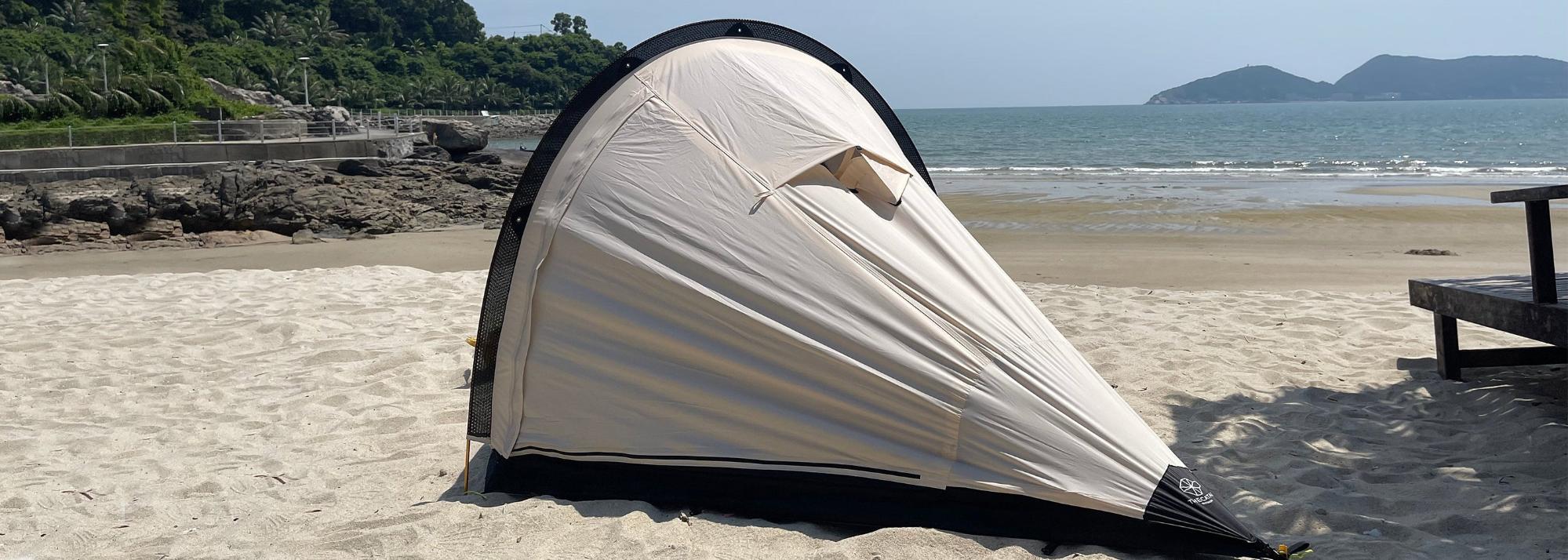
Storms erode patience and wear gear down. A porch isn't an extra; it's an insurance policy for your sleep and your kit. Choose models that protect boots, let you cook without flooding the inner space, and stand firm when gusts test their seams. That's the practical balance that matters when miles are hard and nights are long, the craftsmanship and testing behind it reflected in choices like those curated by THECATAL.