Cravebridge
Smart Ways to Cut Downtime and Control Fuel Costs on the Job
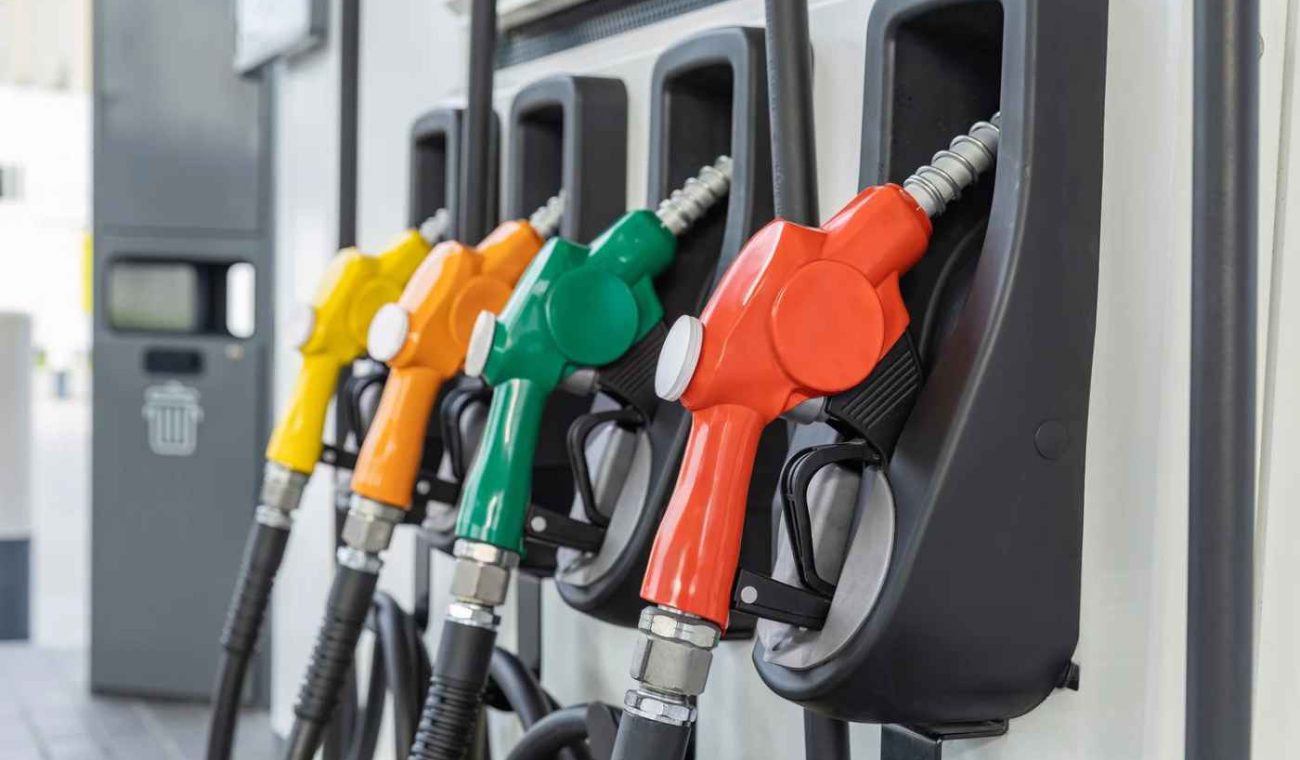
On a busy job site or a tight delivery schedule, fuel is easy to take for granted until it runs out. Then everything stops.
An excavator sits idle. A crew waits around on the clock. A truck misses its delivery window. A project manager spends the morning on the phone instead of keeping the job on track.
For construction companies and trucking fleets, smart fuel planning is one of the simplest ways to protect productivity and control costs. A few practical changes can make a real difference.
Planning Fuel Before You Need It
Running low on fuel often comes down to a lack of planning rather than a lack of supply.
Many operations still rely on last-minute trips to the pump or emergency fuel orders. That approach eats into crew time, adds unnecessary driving, often costs more and leaves equipment vulnerable to sudden shortages.
A better strategy is to set up regular, scheduled deliveries based on how much fuel your operation actually uses. Tracking consumption by machine, truck, site and season helps you predict demand and avoid surprises. Busy construction seasons and winter snow removal work can both change how fast tanks empty, so schedules should shift with the calendar.
On-site storage tanks can also help. When fuel is delivered straight to the job site or yard, equipment can be refueled quickly without leaving the work area. Tanks should be properly installed, inspected, maintained and placed according to local safety rules.
Choosing a Reliable Fuel Partner
The right supplier can take much of the stress out of fuel management.
That’s why it pays to work with a trusted company such as DMM Energy, which delivers bulk fuel and lubricants to businesses across Alberta and the Canadian Prairies. The company traces its roots to several family-run energy businesses and serves industries such as construction, trucking, agriculture and forestry.
A dependable supplier can help set up bulk fuel accounts tailored to your operation, plan delivery schedules around your workload, supply the right fuel for the season and advise on tank setup for your site. That support lets project managers spend less time worrying about fuel and more time focusing on the work in front of them.
When comparing suppliers, ask about delivery coverage, scheduling flexibility, fuel quality and how they handle urgent requests.
Keeping Equipment Running Efficiently
Fuel savings don’t stop at delivery. How your equipment uses that fuel matters just as much.
Regular maintenance is one of the best ways to improve fuel efficiency. Clean filters, properly inflated tires, well-tuned engines and timely oil changes all help machines and trucks burn fuel more effectively.
Idling is another hidden cost. Engines left running during breaks, waits, phone calls or paperwork can waste a surprising amount of fuel over time. Simple policies, driver training and automatic shutoff features can help reduce unnecessary idling.
Fuel quality matters, too. Contaminated or poorly stored fuel can clog filters and damage engines, leading to costly repairs. In cold climates, using fuel suited to winter temperatures helps prevent gelling and hard starts on frigid mornings.
Using Data to Make Smarter Decisions
Today’s fleets and job sites have more information at their fingertips than ever.
Telematics systems, fuel logs, equipment hour meters and delivery records can show where fuel is going and where it’s being wasted. Reviewing that information regularly can reveal patterns, such as a machine that burns more than expected or a route that adds needless distance.
Better data also helps with budgeting. When you understand your fuel use, you can plan purchases more accurately, spot waste sooner, compare suppliers more easily and set realistic project costs.
Building a More Productive Operation
Downtime is expensive, and fuel shortages are one of the easiest kinds to prevent.
With scheduled deliveries, reliable storage, well-maintained equipment and a trusted fuel partner, construction and trucking companies can keep crews working and trucks moving. Those steps also give managers more breathing room to plan ahead, bid on new projects, hire with confidence and grow their business.
In the end, smart fuel management is about more than saving money. It’s about giving your team what it needs to do its best work every day.