Cravebridge
What Every Workshop Should Expect from a Laser Cutter Fume Extractor: A User-Centric Guide
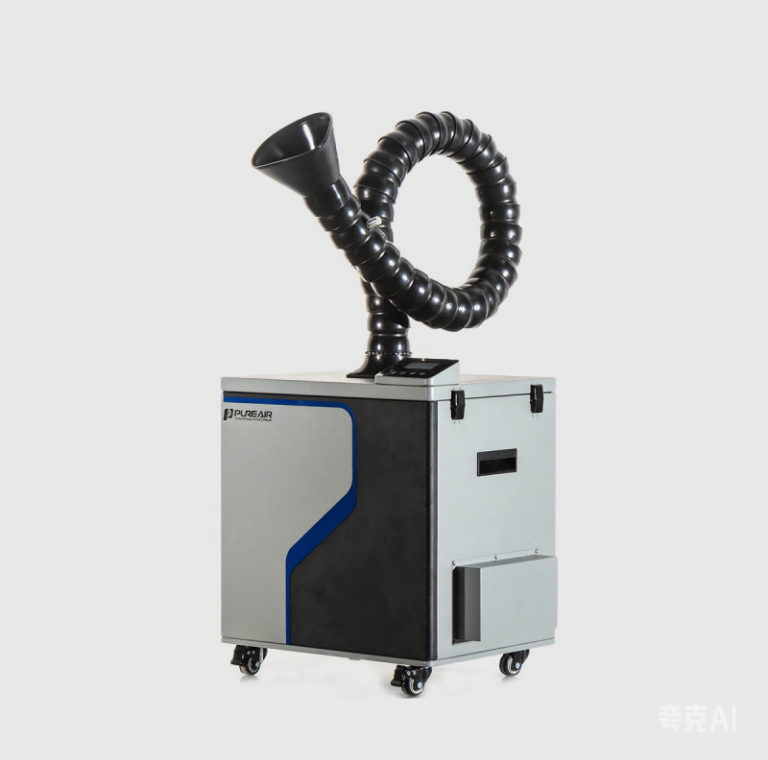
Introduction: A Small Shop, A Big Problem
I was in a cramped metal shop once, watching sparks and wisps of smoke curl out of a lid. That smell stayed with me for days. In those moments you quickly spot what most owners learn slowly: a laser cutter fume extractor matters as much as the cutter itself. Industry reports show many small shops face recurring air-quality issues and downtime tied to fumes (and yes — noise complaints too). So: how do you decide what to buy and what to avoid when health, output, and budget all hang in the balance?
I’ll walk you through the practical steps I use when advising teams: how to read specs, test capture hoods, and balance filtration types. Expect plain talk — no fluff. We’ll use simple checks and clear terms like HEPA filter, activated carbon, and blower motor performance so you can act fast. Ready to go from guessing to choosing? Let’s move into the deeper issues that most suppliers don’t lead with.
Part 2 — Why Most Traditional Systems Fall Short (Technical Look)
dust collector for laser cutting machine is what you’ll see pitched in catalogs, but the label alone hides common design flaws. I’ve tested units where the capture hood was undersized, the blower motor could never keep up, and the HEPA cartridge clogged in weeks. That’s not a minor inconvenience — it cuts productivity and raises maintenance costs. Look, it’s simpler than you think: if airflow (CFM) and static pressure specs don’t match your cutter’s exhaust, fumes will escape. That’s basic fluid dynamics and fan engineering — and yes, it matters here.
What goes wrong most often?
First, many systems rely on a single-stage filter stack: a pre-filter and a HEPA. That ignores VOCs. Without an activated carbon stage, chemical smoke passes through and leaves smells and residues. Second, noise and vibration from an overworked fan or poor mounting make operators disable units. I’ve seen shops tape over vents to “improve” flow — a quick fix that’s worse than useless. Third, inspections reveal uneven capture across the cutting bed because of bad hood geometry. These are not exotic failures. They come down to poor design choices: wrong blower curve, low filtration efficiency, and minimal access for maintenance. If you care about uptime, test the capture hood, check the fan speed controller, and verify the blower motor rating before you buy. — funny how that works, right?
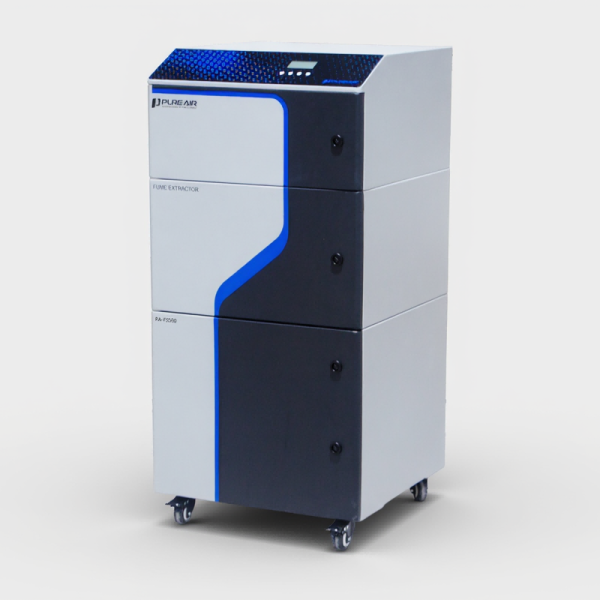 Part 3 — New Principles and Practical Metrics for Smarter Choices
Looking ahead, I favor systems built around a few clear principles: proper source capture, staged filtration (mechanical + chemical), and modular serviceability. A modern dust collector for laser cutting machine should combine a well-shaped capture hood, a matched blower (with spare capacity), and a layered filter train: pre-filter, HEPA, and activated carbon. I want clarity in specs: rated CFM at the working static pressure, expected filter life (hours), and noise level in dB. Those numbers tell you whether the unit can keep up under real load. I test these claims by measuring airflow at the hood and watching how filter differential pressure rises during a shift. Honestly, that's the rub — many vendors give nominal CFM at zero static, which is useless in practice.
What’s Next — practical steps and three metrics
Here are three evaluation metrics I recommend you use when comparing systems: 1) Effective Capture Rate — how much of the emitted plume the hood pulls in at the actual work distance. 2) Filtration Lifetime (hours) — realistic service interval for pre-filters, HEPA, and carbon at your duty cycle. 3) Net Operating Cost per Month — including replacement filters, electricity (fan power), and expected downtime. Use those numbers, and you’ll see some units look cheap on paper but expensive in operation. Weigh noise and maintenance access too; a service panel that needs a ladder is a slow bleed on productivity.
We’ve covered the pitfalls, the fixes, and how to judge a machine like a pro. I’ve walked shops from guessing to measurable buying decisions; you can do the same. If you want a starting point, look for units that state capture hood performance, show blower motor specs, and disclose filter media types. Then compare using the three metrics above. For further detail and supplier options, consider checking resources from PURE-AIR — they compile clear specs and service info that help when you’re ready to decide. PURE-AIR