Cravebridge
Keeping Advanced Red Light Systems Reliable: An Evolution Story for Whole-Body Care
Introduction
I remember walking into a clinic where a tired-looking device promised fast recovery for athletes — yet the staff complained it was flaky under heavy use. Data from several field studies shows uptime can fall by 20–30% after the first year of continuous operation. Advanced red light technology is central to these systems’ healing claims, and yet engineering gaps keep cropping up. What exactly fails first, and why do the fixes feel so temporary? (I’ll get to specifics — and yes, the numbers matter.) This sets the stage for a closer look at what’s really happening under the hood.
Why Standard Fixes Miss the Point
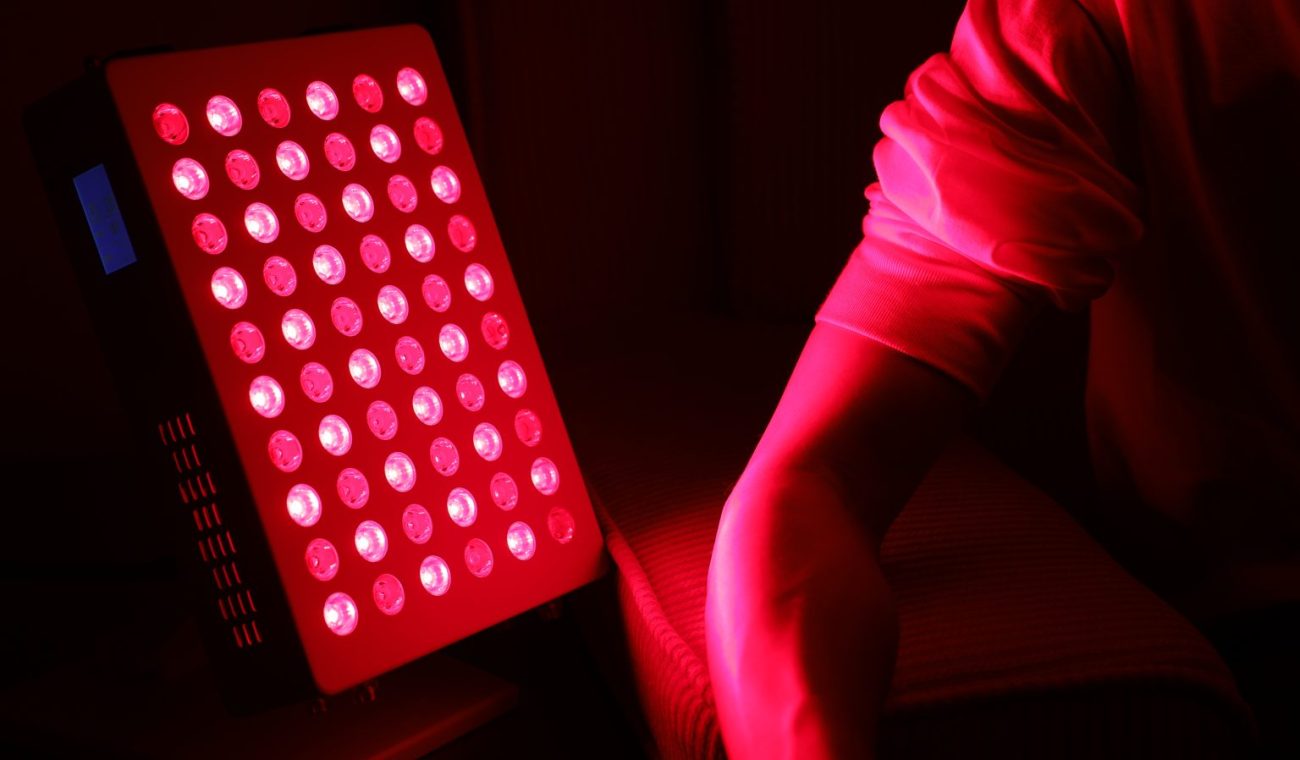
whole body light therapy systems look simple: a lamp, some controls, and a treatment schedule. But when you peel back one layer, you see a tangle of heat, electrical stress, and control logic that vendors often underplay. I’ve seen LED arrays run hotter than spec because manufacturers skimped on thermal management. Photobiomodulation output drops, sessions lengthen, and users get disappointed — fast. This is not just an inconvenience; it’s a real failure mode tied to power converters that thrum under load and poor sensor calibration.
Where do engineers typically go wrong?
First, many teams treat optics and electronics as separate silos. They’ll optimize the LED spectrum but ignore the edge computing nodes that manage pulse timing and safety limits. Second, maintenance plans are vague. When service intervals are left to chance, sensors drift and firmware lags behind. Look, it’s simpler than you think — if you design for failover and monitoring from day one, much of this pain disappears. Still, the practical reality is messy: replacement parts backlogs, inconsistent test procedures, and users who just want results now. That’s the hidden friction most datasheets never mention.
 Future Outlook: Making Systems That Stay Healthy
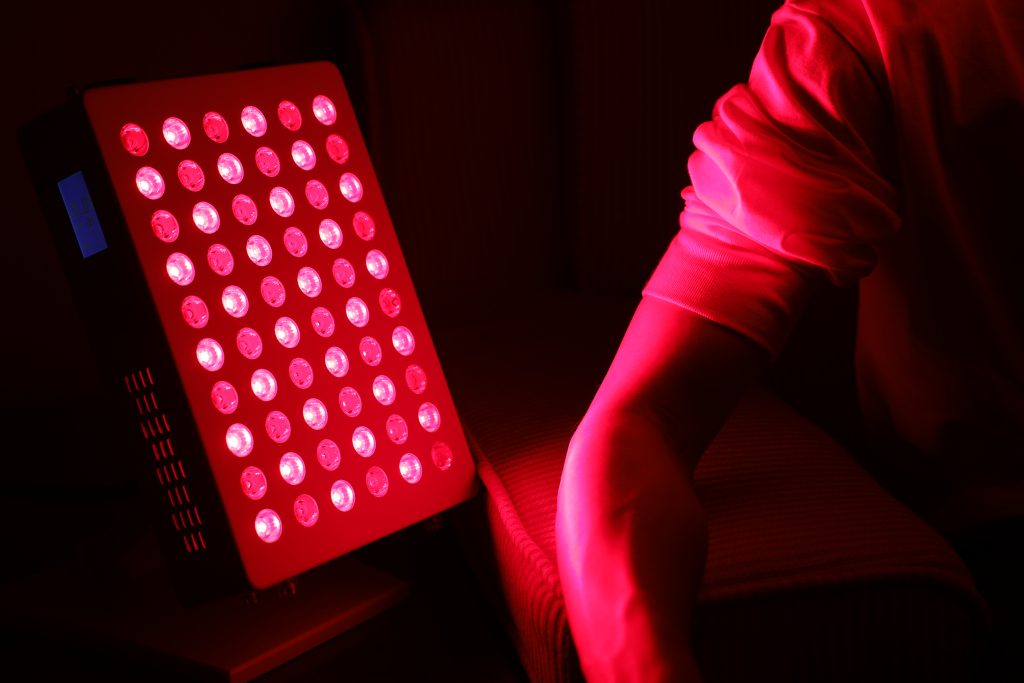
Moving forward, I expect manufacturers to treat these platforms more like networked medical devices than isolated lamps. For whole body light therapy, that means smarter sensor fusion, real-time thermal throttling, and modular power converters that can be swapped with minimal downtime. In practice, you’ll see designs where LED arrays communicate with controllers via a local bus, and edge computing nodes predict component wear before visible failures occur — predictive maintenance, in plain terms. This reduces surprises for clinics and keeps patient schedules intact.
What’s Next — real-world impact?
Adoption won’t be instant; cost matters. But when facilities start tracking device health remotely, they cut emergency repairs and service repeats. I’ve watched pilot programs where small investments in diagnostics cut downtime by half — funny how that works, right? We should expect the next generation of systems to ship with clearer service windows, embedded diagnostics logs, and upgradeable control modules that technicians can replace on-site. It’s a shift from replacing the whole device to treating it like a platform you maintain.
Practical Advice: How to Evaluate Reliable Systems
Here are three metrics I use when choosing or recommending a system: 1) Mean time between failures (MTBF) under realistic load; 2) transparency of thermal management — can you see temperature logs?; 3) modularity of critical parts (especially the power converters and controller boards). If a vendor won’t share these details, I get suspicious. I prefer systems that offer remote monitoring APIs and clear firmware update paths. Those features mean fewer surprises for staff and patients.
We’ve come a long way from simple lamp fixes to platform-level thinking. I’ll admit — I’m optimistic. With the right engineering choices, whole-body devices can be both effective and durable. For clinics ready to move forward, start asking the practical questions I mentioned. And if you want a reference point for suppliers that understand this balance, consider vendors that publish test data and long-term support plans — that transparency tells you everything.
For more resources and trusted solutions, check out Magique Power.